
One valve, three stages: scan, model and field installation.
Drag the handles to walk through the transition — from the Trimble 3D laser survey to the engineering model, and from the model to the valve installed on the aqueduct line.
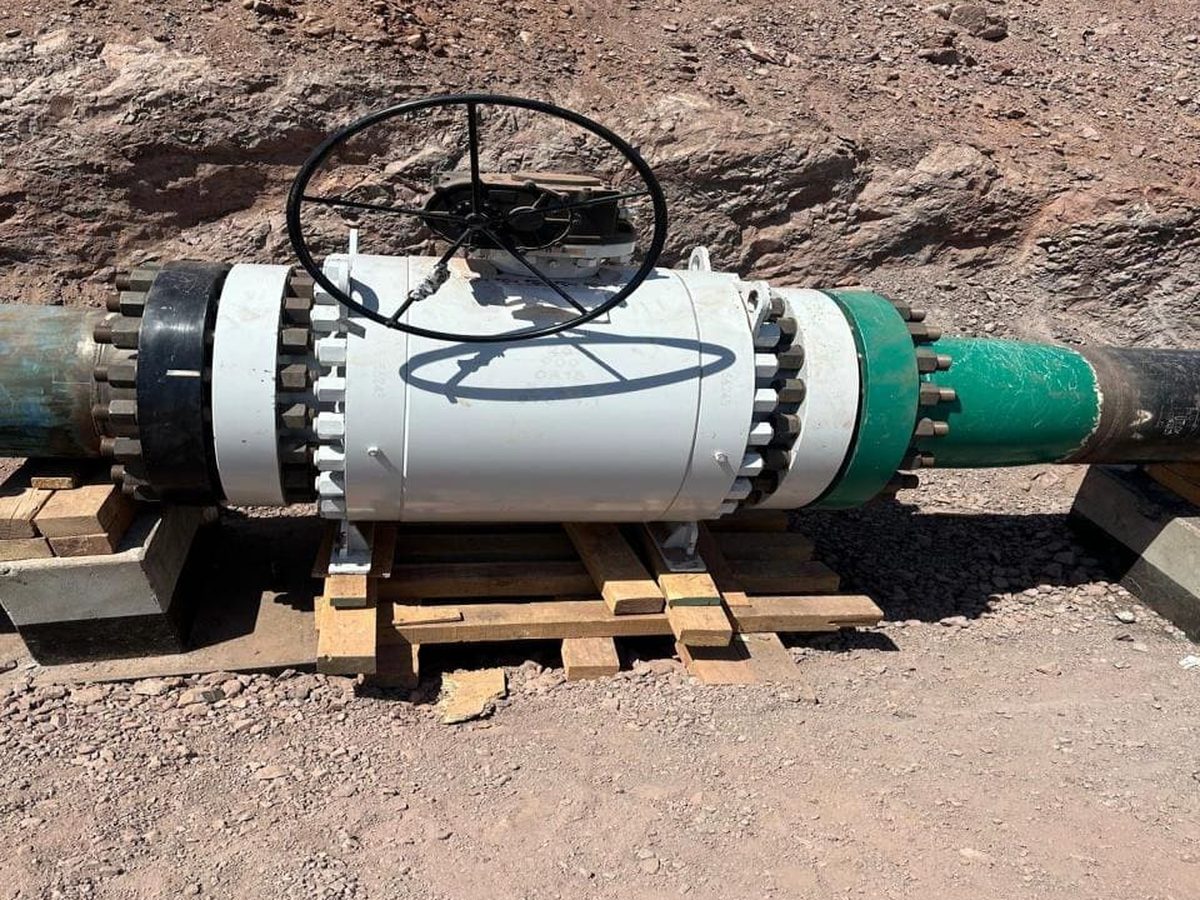
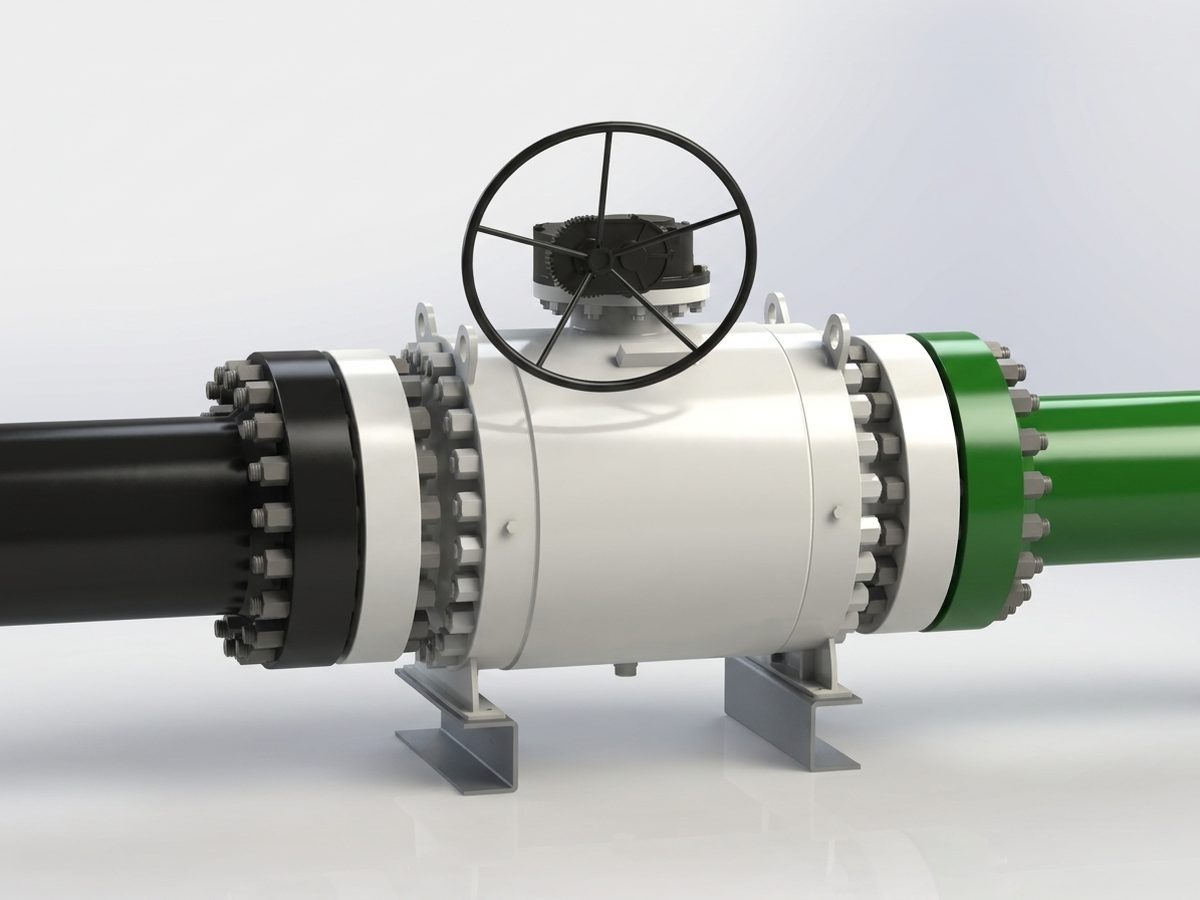
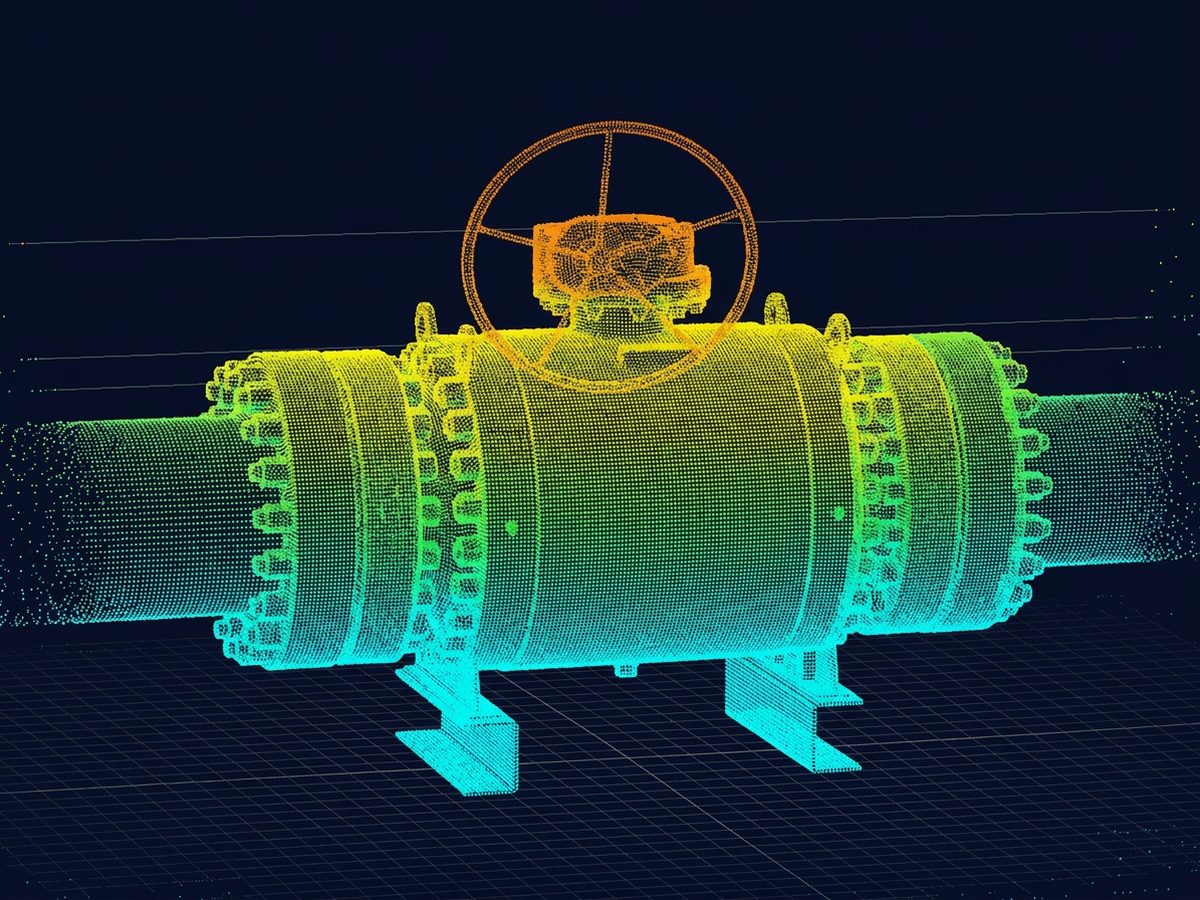
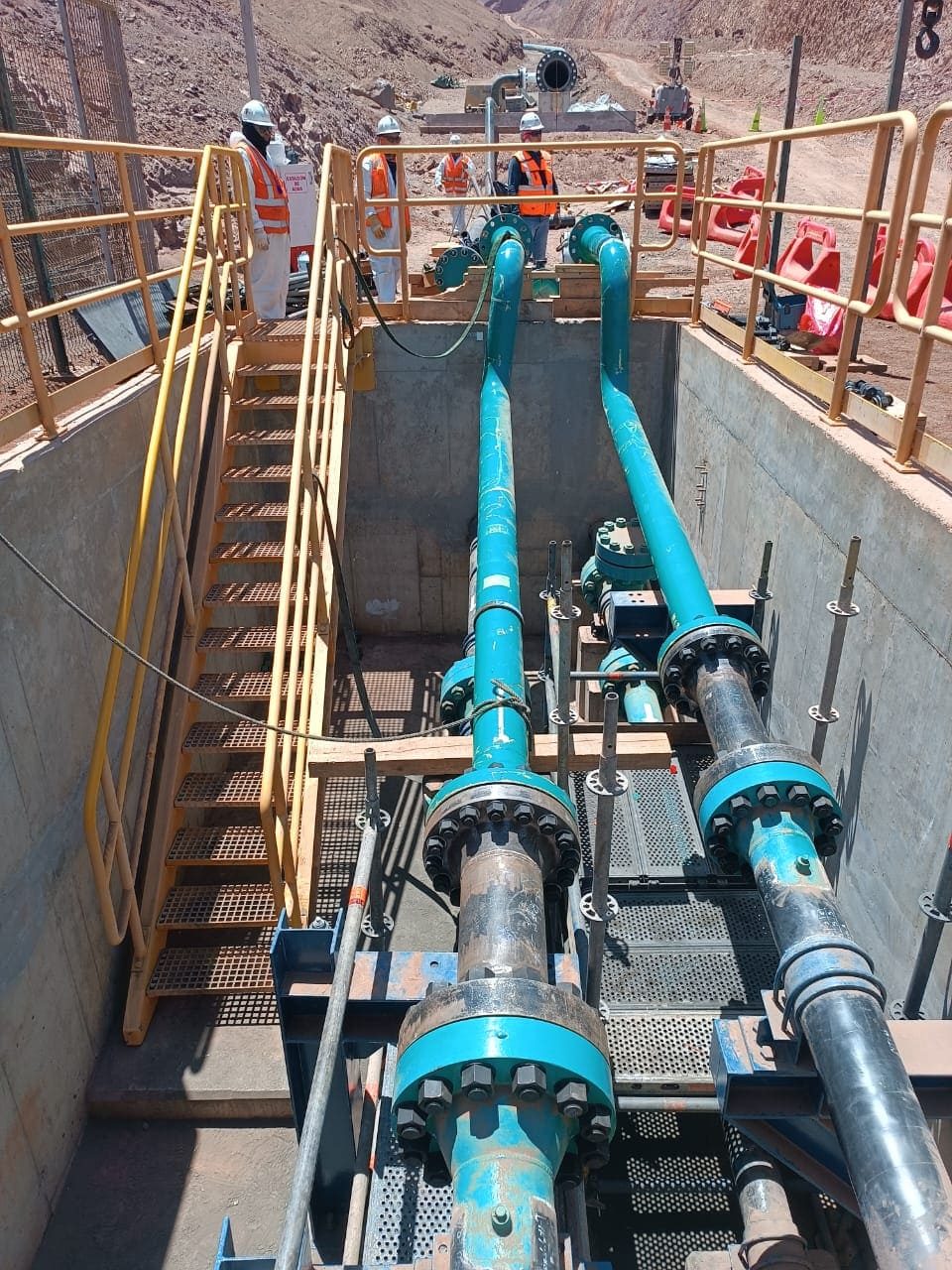
CGK built the ducting and structures for an aqueduct line in the open pampa, where a fit-up error can't be fixed with a quick trip back to the shop.
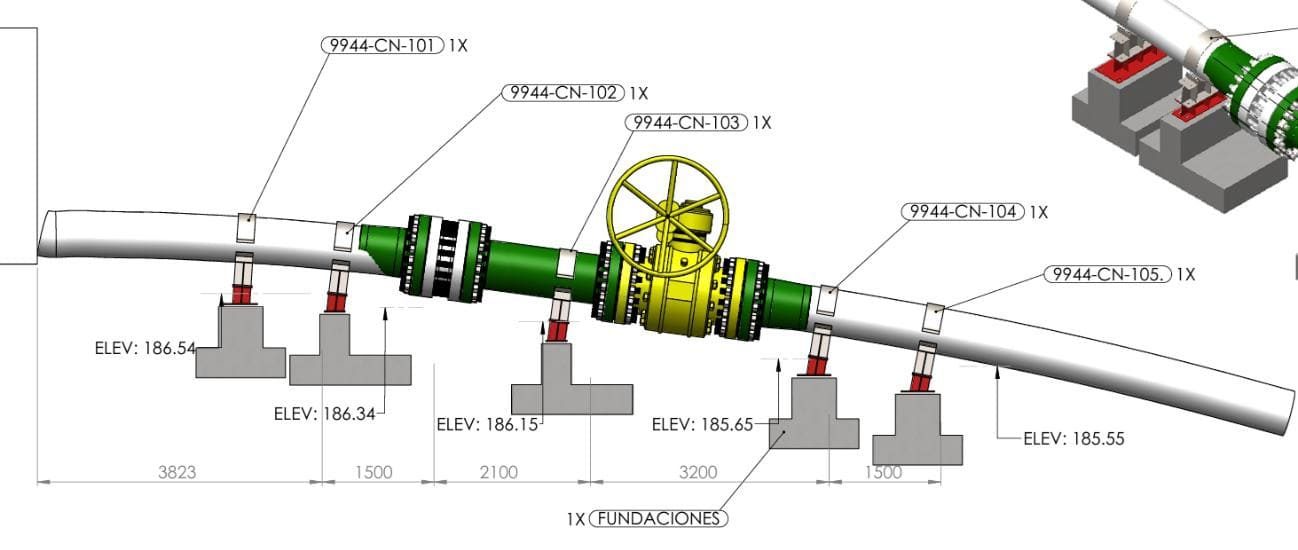
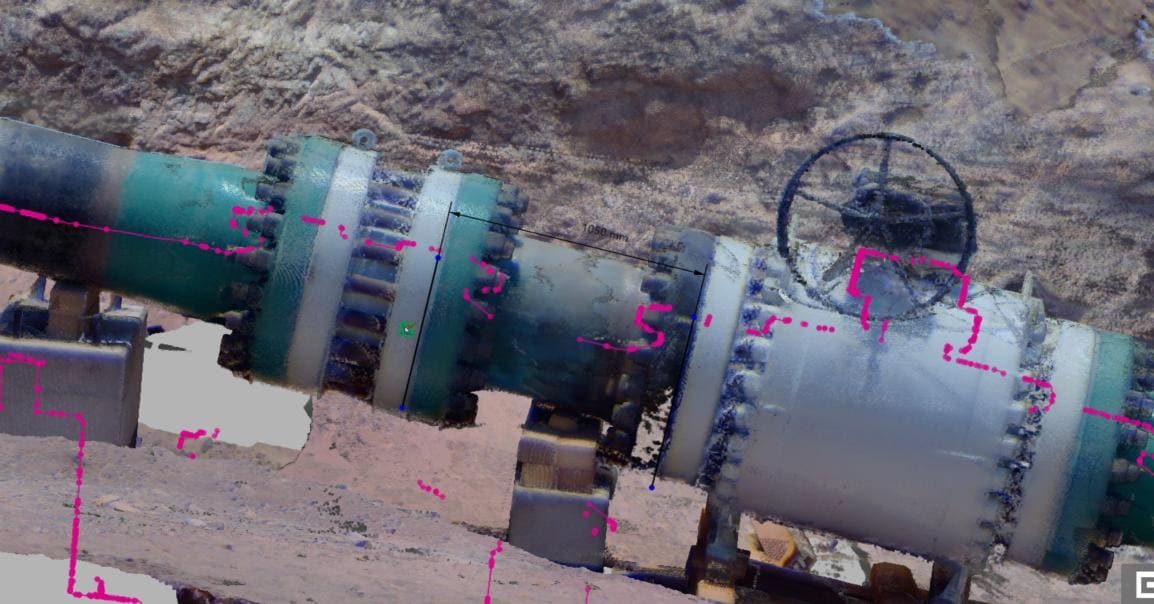
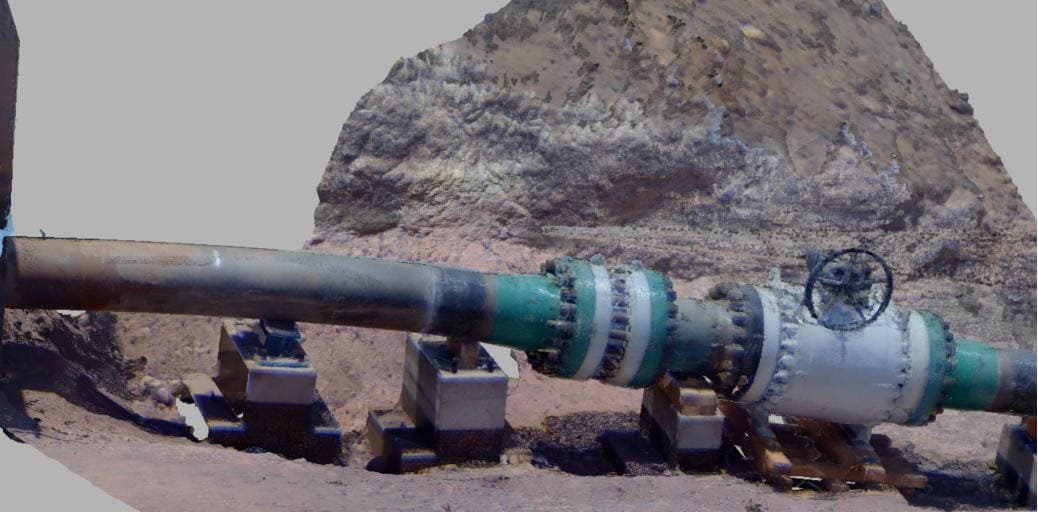
The starting point was the field survey with our Trimble 3D laser: we scanned the existing line and its surroundings to analyse interferences against real ground conditions, check fits and validate the drawings supplied by the client before cutting a single plate.
When the client requested changes, the model review was done right there in the field with augmented reality software: the 3D model overlaid on the real line, so every change was validated on site before fabrication.
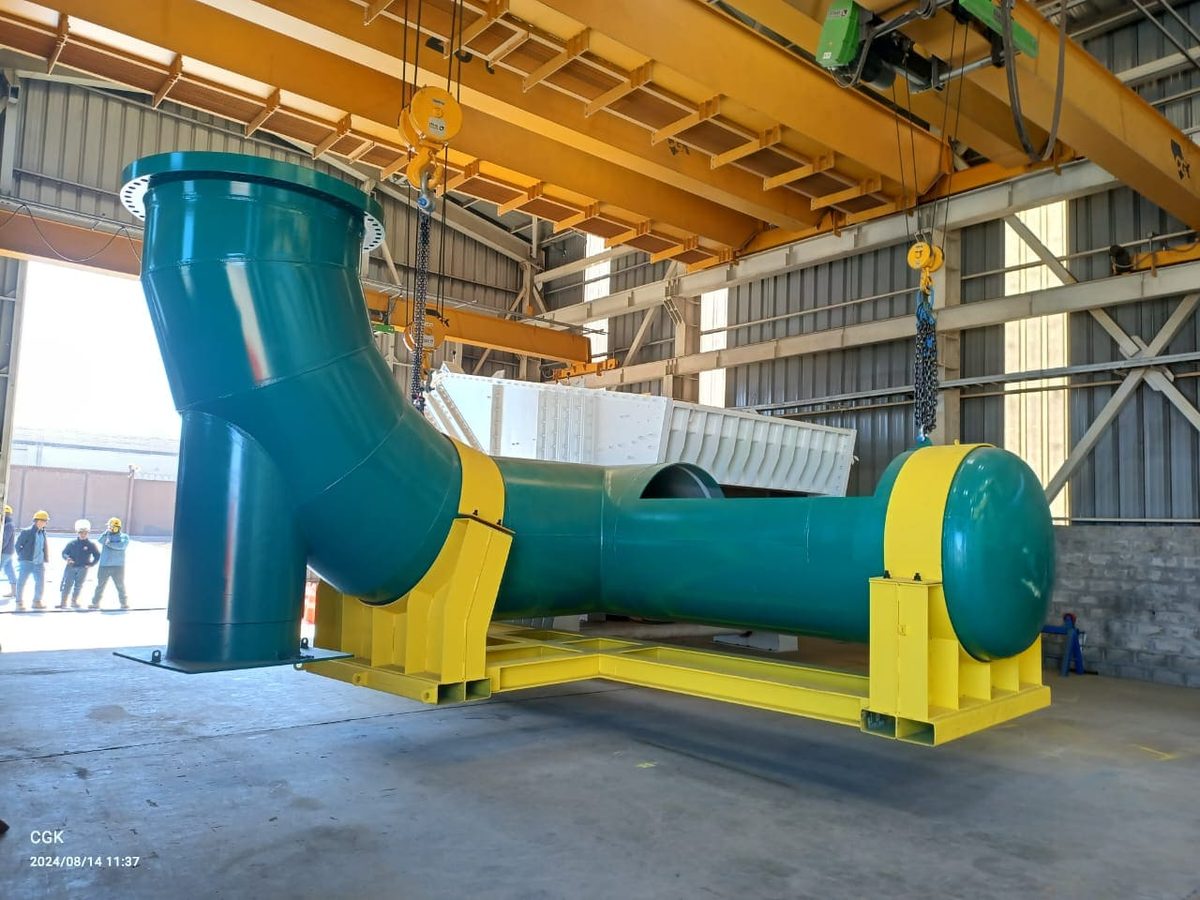
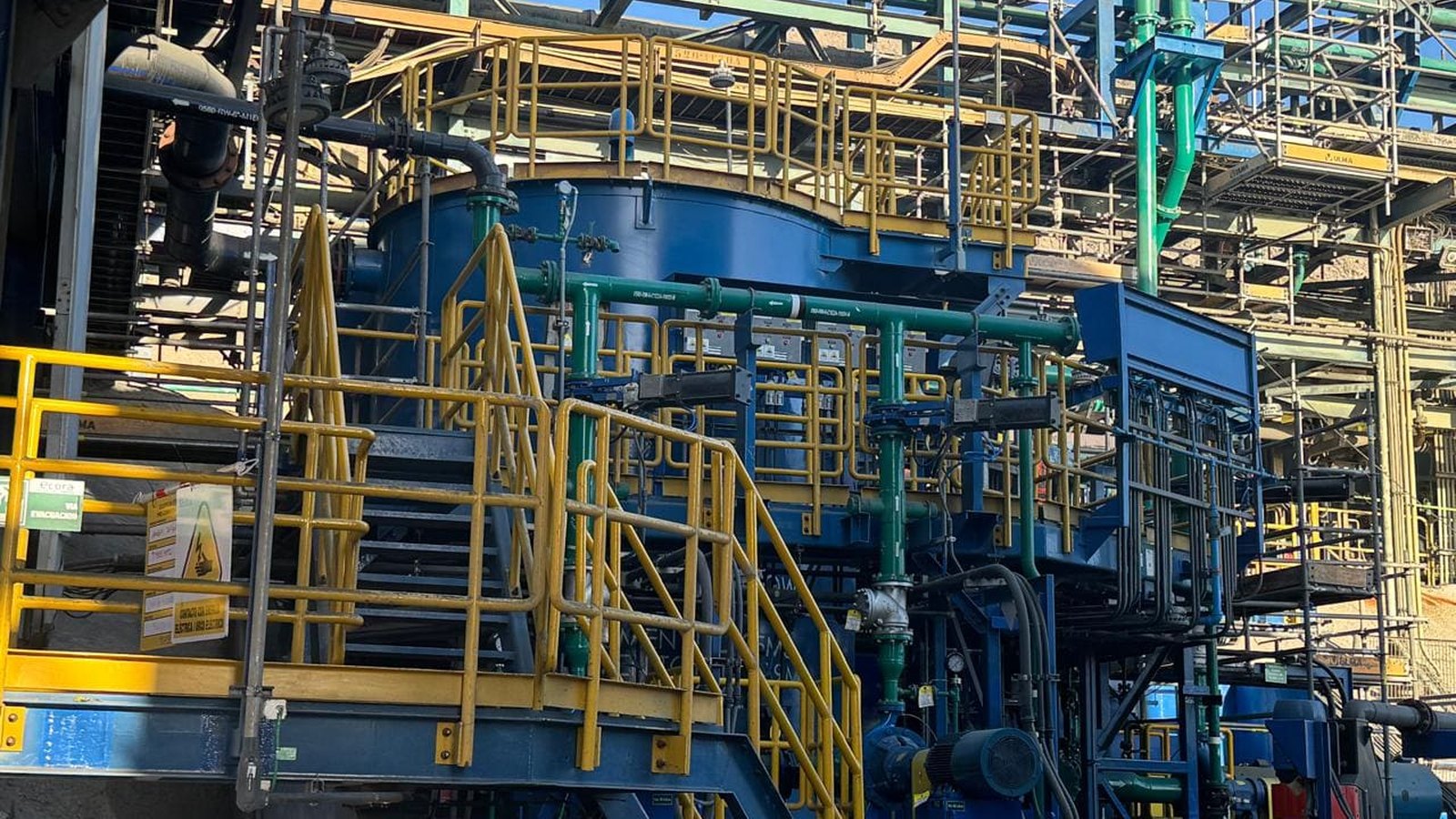
The result is in the slider: the geometry captured by the scanner, the CAD model of the valve with its spools, and the real assembly installed on the line — fitting first time.
Ducting and valves in an operating plant · Puerto Coloso
The changes, reviewed on the real line
This is how the changes requested by the client were validated. With Trimble SiteVision the model is taken to the field and overlaid semi-transparently on what is already installed: live lines, supports, scaffolding and valves.
On that image the interferences show up by themselves — a duct running where a beam already is, a valve left with no room to operate — and every change is agreed on site, with the client looking at the same thing, before fabrication.
- Translucent model over the existing lines
- Clashes and operating clearances caught in the field
- Changes agreed with the client on site
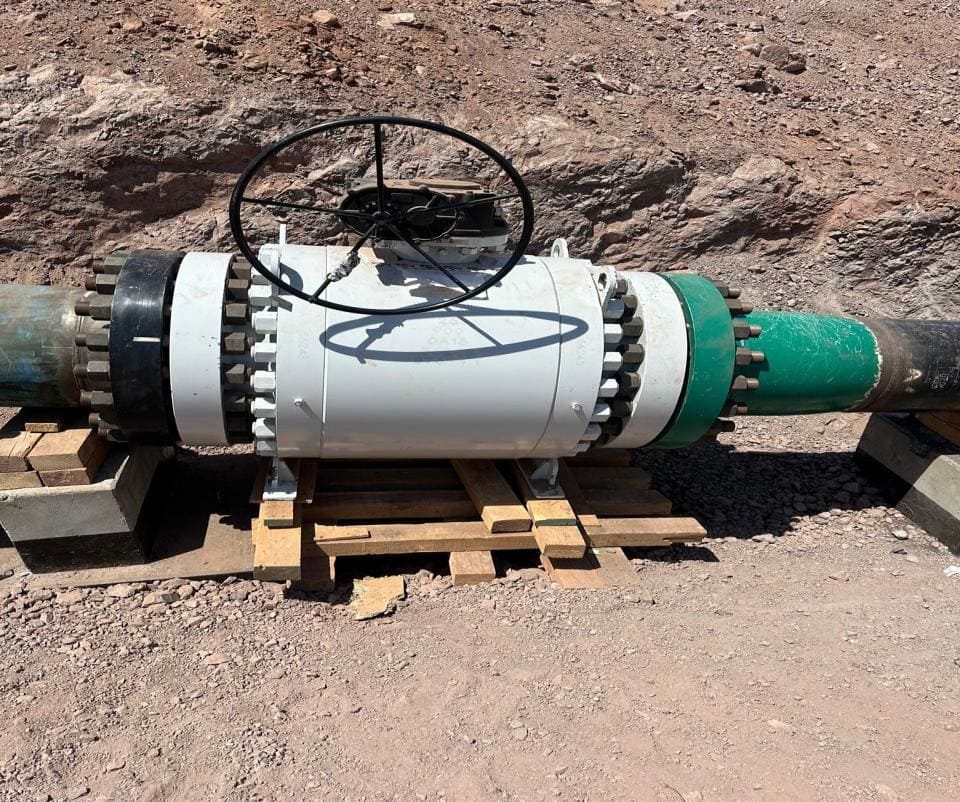
Other projects
More cases with the same transition: point cloud, 3D model and real component.
Got a line to modify without shutting the plant down?
We scan on site, catch interferences before fabrication and validate with augmented reality. Tell us your case.